If you work in live event marketing, you already know the challenge. Selling a single show is difficult. Building an audience that consistently comes back and brings others with them is where sustainable growth actually happens. Across the industry, there’s a growing recognition that traditional campaign models are starting to break down. Marketing teams are under pressure to drive more revenue, prove ROI, and compete for attention in an increasingly crowded entertainment landscape. At the same time, acquisition costs continue to rise, and audiences are harder to reach through paid channels alone.
In this environment, growth can no longer rely on one-off campaigns. It depends on building systems that compound over time. That’s where gamification is starting to play a more important role. For live event venues, gamification is not just about engagement. It’s about creating a structured way to turn audience actions (e.g. registrations, referrals, data capture) into measurable growth. It transforms your campaigns from isolated efforts into a repeatable engine.
This guide outlines how to approach gamification in a way that drives real outcomes: stronger audience growth, better data, and more consistent revenue performance.
Step 1
Build Your Presale As A Growth Engine
Presale is your highest-intent moment, and most venues underuse it. Instead of treating it like a form to collect emails, treat it as the entry point into a broader engagement system. The goal is to get as many people in as possible, then deepen that engagement once they’re through the door. That starts with reducing friction. Keep the initial signup fast and simple so that it is just enough to capture the lead.
You can then guide users toward higher-value actions:
- adding a mobile number
- completing their profile
- referring friends
- sharing the event
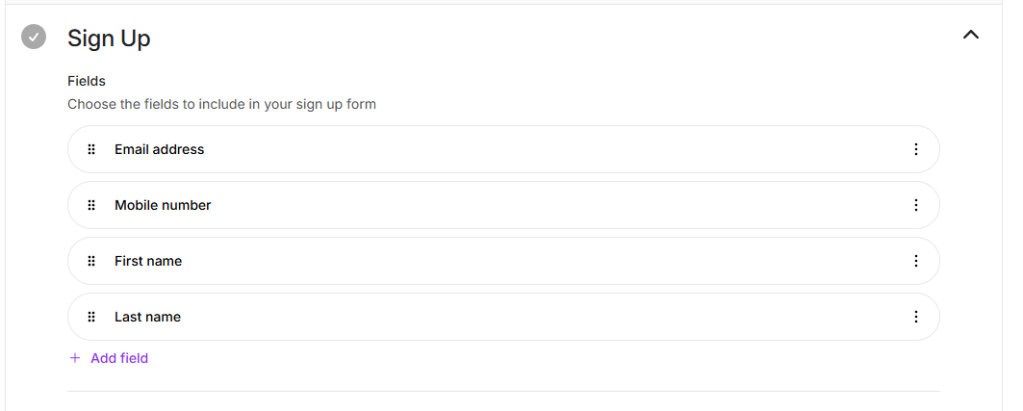
This approach consistently outperforms long forms because it separates conversion from data capture, while still achieving both.
Step 2
Structure Actions, Rewards, and Tiers
Gamification only works when the value exchange is obvious.
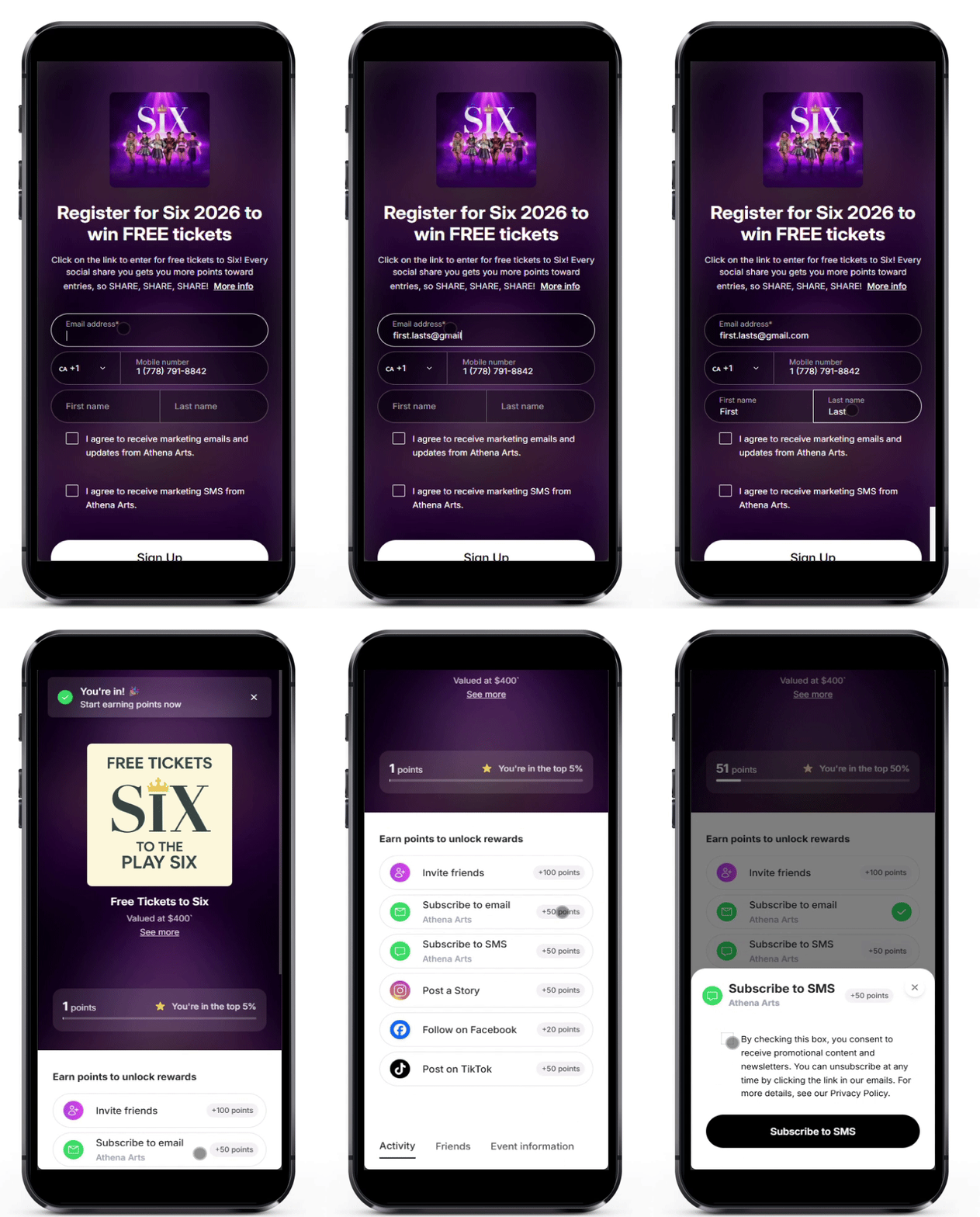
If you’re asking your audience to take actions, they need to clearly understand what they’re getting in return and it needs to feel worth it. The most effective campaigns keep this simple and tied directly to access.
You rewards don’t need to break the bank. The most popular rewards are exclusive, meaningful and something that a loyal attendee would appreciate. Think of VIP access or exclusive access to the live event prior to the show.
You can also introduce a tiered system. Tiers create momentum by giving people something to work toward, while also introducing urgency and competition.
For live event audiences, access is the strongest motivator. You don’t need complex rewards just meaningful ones.
Step 3
Turn Ticket Buyers Into A Growth Channel
Most campaigns end at purchase and that’s where you lose long term value. Ticket buyers are not just customers. They’re your most effective acquisition channel if you activate them properly. They’ve already committed, which makes them far more likely to engage again. The key is to treat them differently from the rest of your audience. Segment them based on behavior and value, then give them a reason to keep participating.
This could include:
- referral incentives for upcoming events
- early access to similar shows
- upgrade or VIP offers
- prompts to share with their network
When you do this consistently, each campaign feeds the next. Instead of starting from zero, you’re building on an engaged base.
Step 4
Capture And Use Better Audience Data
One of the biggest advantages of gamification is how it changes your approach to data. Rather than asking for everything upfront and reduces conversion, you collect data progressively. Each action becomes an opportunity to enrich the profile.
Over time, you can build a much more complete picture of your audience, including:
- mobile numbers
- location
- preferences
- engagement behavior
This is what enables better marketing. With stronger data, you can segment more effectively, personalize campaigns, and improve performance across email, SMS, and paid channels. The difference is significant because instead of broadcasting messages, you’re targeting with intent.
Step 5
Re-Engage High Intent Audiences
Not every registrant will convert right away, and that’s not a failure. It’s an opportunity.
These are high intent users who have already shown interest. Most venues overlook them, focusing only on those who purchase. A better approach is to build follow up into your campaign from the start. Use the signals from your gamified experience to identify who is most engaged, then prioritize them.
Effective re-engagement typically includes:
- presale and access reminders
- SMS alerts as deadlines approach
- last-chance messaging during onsale
- retargeting based on behavior
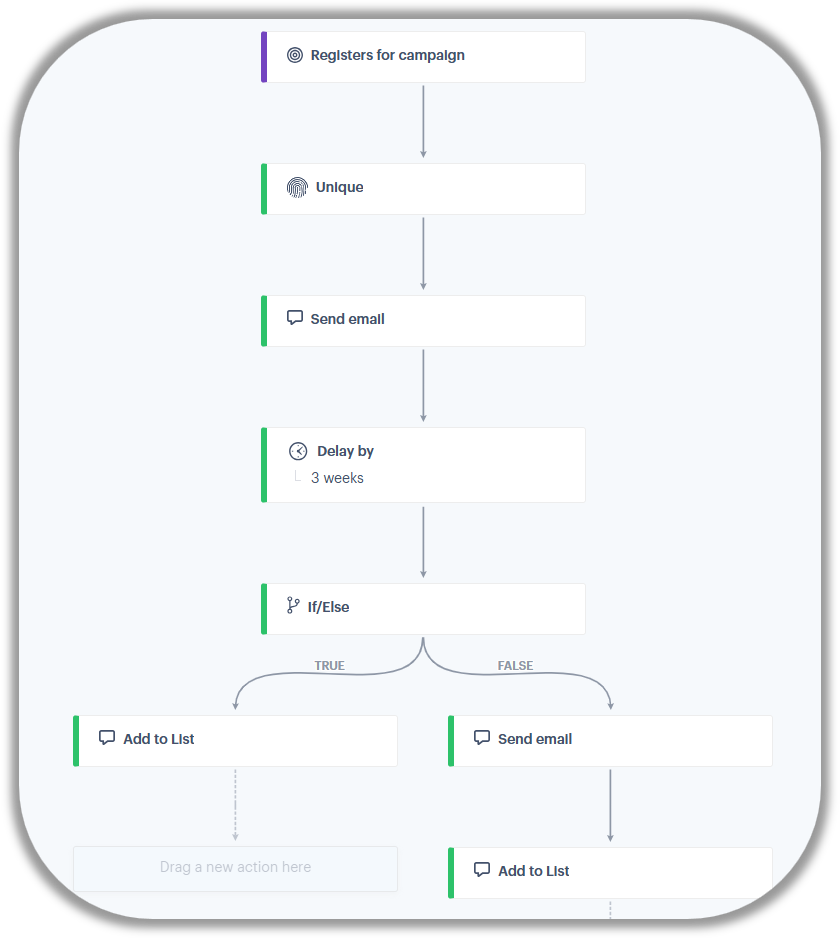
This is often where the easiest revenue gains are found when you are converting intent that already exists.
Step 6
Distribute And Measure A Growth System
Gamification is not just a feature. It’s a campaign. And like any campaign, its success depends on how well it’s promoted. You need to drive consistent traffic into the experience through all available channels e.g. email, SMS, social, paid media and partner amplification.
The more visibility your campaign has, the more your growth loop accelerates. At the same time, you need to measure the right things. Ticket sales alone won’t tell you if the system is working.
Focus on metrics that reflect audience development:
- registrations
- referral rates
- mobile opt-ins
- conversion from registration to purchase
- repeat engagement across campaigns
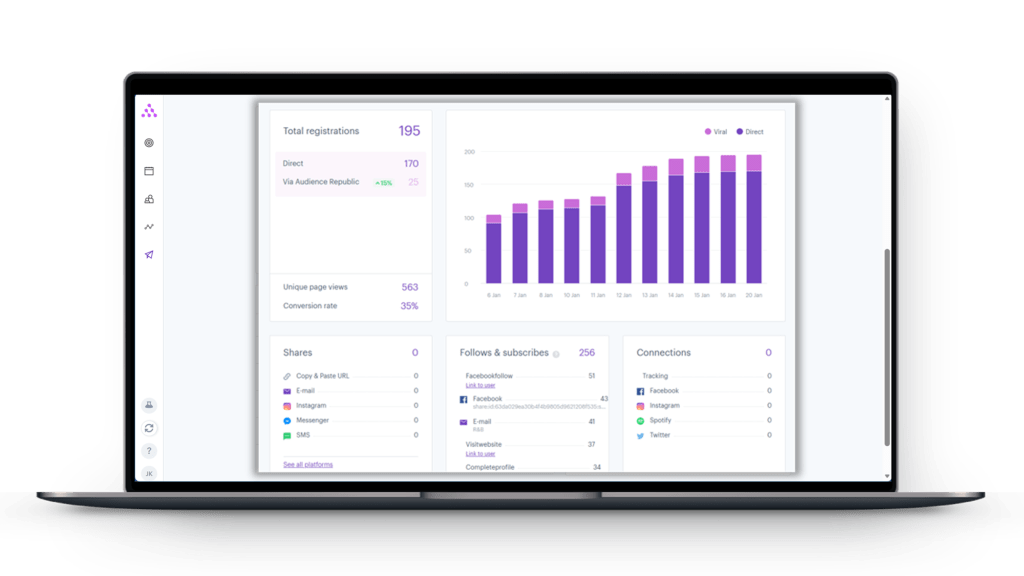
These indicators show whether you’re building momentum or just running isolated campaigns.
What This Looks Like In Practice
While results vary by organization, the pattern is consistent gamification improves how campaigns perform across acquisition, engagement, and revenue.
In a campaign with TheatreMania and BroadwayCon, gamification was used to grow a new audience through sharing and referrals. It resulted in 90% of captured emails being new to file.
Taken together, these results highlight the broader shift of using gamification. It doesn’t just drive engagement, it builds a more efficient, scalable growth system.
Now You Have A Compounding Growth Engine
When executed properly, gamification creates a system rather than a one-off tactic. Each campaign contributes to the next:
- your audience grows
- your data improves
- your targeting becomes more precise
- your conversion rates increase
Over time, this reduces your reliance on paid acquisition and strengthens your direct relationship with your audience. Most venues are still focused on selling tickets event by event. The ones that grow consistently are building systems that make every campaign stronger than the last.
Gamification is one of the most effective ways to do that because it turns your audience into an active part of how your business scales.
Want To See What This Could Look Like For Your Venue?
Gamification is most effective when it’s tailored to your audience, your events, and your marketing goals. If you’re looking to apply this approach or want to explore how it could fit into your current campaigns, our team can help you map out a strategy and show how it works in practice.