Event ticketing platforms support a wide range of activities, from selling tickets and managing events to engaging audiences, tracking revenue and supporting growth. But the capabilities an organization needs, and how it uses them, can vary considerably.
Choosing the right platform starts with understanding what your organization wants to accomplish. Consider your event types, sales channels, audience needs, team workflows and future plans. Involve the people who will use the system to identify which capabilities are essential and where greater efficiency or flexibility could make a difference.
With those priorities established, you can evaluate potential platforms against five key areas that influence how your organization operates, engages audiences and generates revenue.
Evaluate How the Platform Supports Your Operations
Consider how the platform handles the everyday work of planning, selling and delivering events. Can staff easily create events, configure seating and inventory, manage pricing and permissions, process box office sales and handle entry?
Look beyond individual functions to how workflows connect. Does information flow between ticketing, finance, marketing and CRM systems, or will teams still need manual exports and duplicate data entry? Ask providers to demonstrate the processes your staff use most often, including how they would manage multiple events or venues.
Assess the Audience Purchase Experience
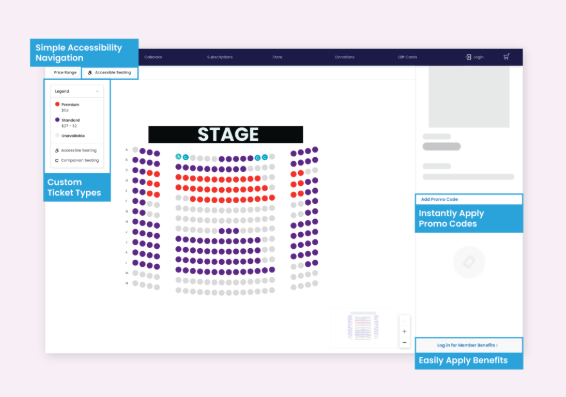
A convenient purchasing experience can help turn audience interest into ticket sales. Evaluate the process from event selection through checkout, looking for mobile-friendly navigation, accessible purchasing options, clear pricing and consistent branding.
Test common scenarios. How easily can buyers select seats, apply offers or purchase tickets for multiple events? Are fees clearly communicated? Consider how related offerings fit into the purchase journey. Can audiences add a donation, membership or other relevant experience without navigating separate systems or starting another transaction?
Understand How the Platform Connects Audience Data
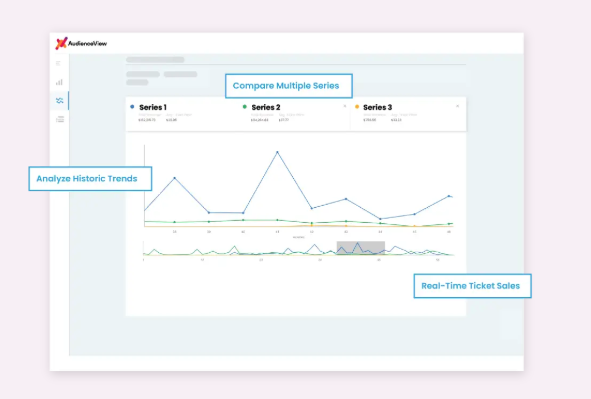
Ticket purchases, attendance histories, memberships and other interactions can help organizations better understand and engage their audiences. Evaluate how customer records are maintained, who can access them, and whether teams can segment audiences based on purchase behavior or interests. Ask about data ownership and how information from ticketing, memberships and other interactions connects to marketing tools.
Beyond accessing and organizing audience data, consider how easily your team can turn that information into useful insights. Can they easily compare sales and revenue across events, identify first-time or returning attendees, and understand performance by channel? Can your team use this information to identify opportunities for repeat attendance, develop more relevant campaigns and strengthen audience relationships?
Consider How the Platform Supports Revenue and Growth
Depending on your business model, revenue opportunities may include subscriptions, memberships, donations, packages, merchandise and other add-ons alongside ticket sales.
Evaluate how the platform brings these revenue opportunities together. Can a theater track ticket purchases and donations within the same customer relationship? Can a festival manage ticket packages and optional experiences while maintaining a clear view of total revenue?
Also assess whether the platform can accommodate additional venues, new event formats or evolving audience programs as your organization grows.
Evaluate Long-Term Value and Reliability
Compare the full cost of each platform, including implementation, migration, integrations, payment processing, support and staff time. Consider the cost and complexity of maintaining separate systems or manually transferring information between them.
Ask how providers handle high-demand on-sales, secure payments, suspicious transactions and ticket validity. What happens when technical problems interrupt sales or entry? Understand what support is available during implementation and when problems arise, particularly during an event or major on-sale.
Weigh these considerations against the efficiency, audience experience and revenue opportunities each solution can support. The lowest upfront price may not offer the best long-term value.
Questions to Ask During an Event Ticketing Platform Demo
Bring real scenarios to each demonstration so you can compare how platforms would support your organization’s needs.
- Operations: How would our team create an event, configure seating and inventory, process box office sales and manage entry?
- Purchasing: What does the mobile purchase experience look like, including seat selection, fees, checkout and related offerings?
- Revenue: How are ticket purchases, memberships and donations managed and tracked within the same customer relationship?
- Audience data: How would we identify first-time attendees, segment them by purchase behavior and use that information in a targeted campaign?
- Reporting: How would we compare sales and revenue across events, venues or channels?
- Integrations: What information flows automatically between systems, and what still requires manual work?
- Implementation: What would migration, training and ongoing support involve?
Ask providers to demonstrate the same scenarios wherever possible. This will help you compare how well each solution meets your priorities rather than relying on feature lists alone.
Connect Your Event Operations, Audiences and Revenue
As you compare platforms, look at how well the different capabilities work together. The connections between ticketing, audience data, marketing and operations can be just as important as the individual features.
AudienceView brings together ticketing, fundraising, payments, digital marketing, audience intelligence and event operations in a unified event commerce platform, helping organizations create more connected experiences, strengthen audience relationships and support growth.
Explore an AudienceView product tour to see how our event commerce capabilities can support your organization’s goals.