Why leading venue operators are consolidating ticketing, marketing and audience data
Across the live events industry, a significant shift is underway. Major venue operators are increasingly consolidating fragmented technology stacks into unified event commerce platforms that bring together ticketing, CRM, marketing, and audience data in one system.
For many organizations, this shift is less about adopting new tools and more about rethinking how their infrastructure supports audience growth, operational efficiency, and revenue optimization.
To understand why this matters, it helps to look at how venue technology historically evolved.
Historical fragmentation of venue technology
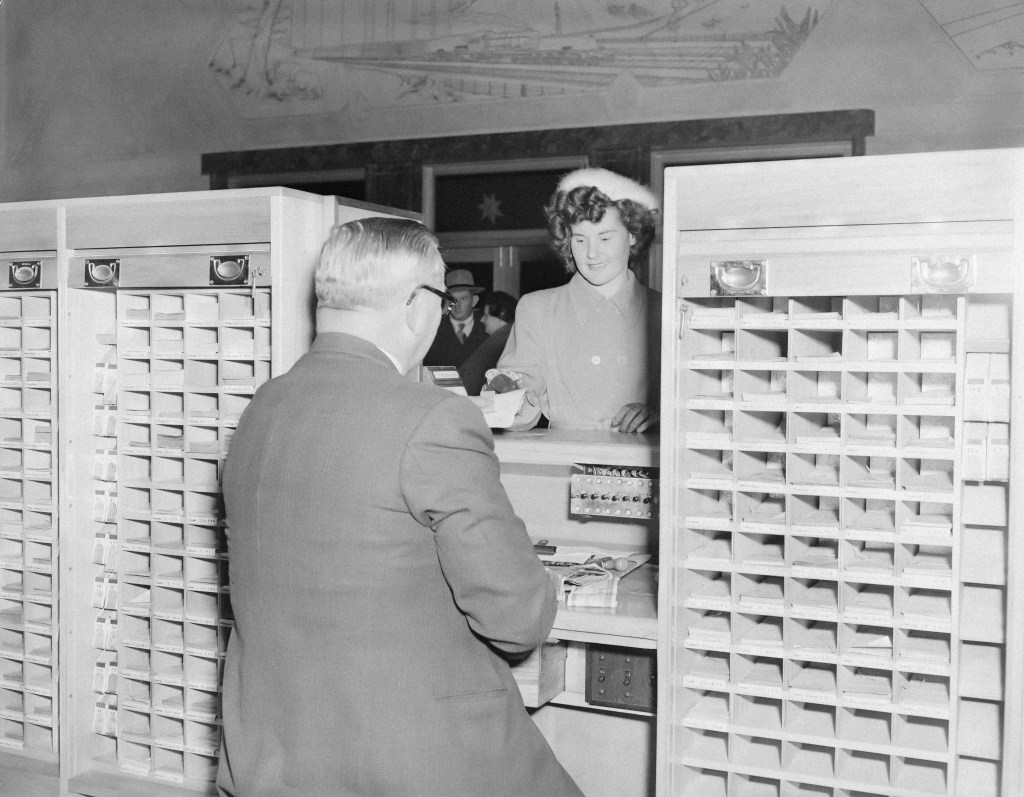
For decades, most event organizations adopted technology incrementally.
- Ticketing systems were implemented to manage sales.
- Email platforms handled marketing campaigns.
- CRM systems tracked donors and customers.
- Finance systems managed revenue and reporting.
Each tool solved an immediate operational need. But over time, this approach created disconnected systems.
- Marketing teams rarely had direct visibility into purchasing behavior.
- Ticketing teams had limited insight into audience engagement.
- Executives struggled to connect campaign activity with actual revenue outcomes.
For many years, this fragmentation was manageable. Demand was often driven by programming, star power, or subscription models.
But the economics of modern events have changed.
The Economics of modern events demand connected systems
Today’s event organizations operate in a very different economic environment.
Several macro factors are reshaping the industry:
- Rising Operational Costs
Venue operations, staffing, touring costs, and production budgets have all increased significantly over the last decade while struggling to keep up with inflation. - More competition for audience attention
Live events now compete not only with other venues, but with streaming platforms, gaming, and countless digital entertainment options. - Greater pressure to prove marketing ROI
Marketing budgets are increasingly scrutinized across both nonprofit and commercial venues.
In this environment, revenue growth increasingly depends on understanding and activating audiences more effectively, not simply increasing programming.
This shift unlocks several strategic advantages.
1. Behavioral segmentation replaces static audience lists
Instead of marketing to one large database or list, teams can identify meaningful audience segments such as:
- Repeat attendees for specific genres or programming categories
- High-value subscribers and donors
- Single-ticket buyers with strong upsell potential
- Lapsed ticket buyers ready for reactivation
These insights allow marketing to become far more precise and effective.
2. Cross-venue intelligence becomes possible
For multi-venue organizations, combining their ticketing and CRM platforms unlock insights that previously lived in separate silos.
Leadership teams can begin to analyze patterns such as:
- programming that performs across multiple cities
- audience overlap between venues
- touring productions with strong cross-market demand
- marketing strategies that scale across locations
In economic terms, this creates network effects within venue portfolios. Data generated by one venue improves decision-making across the entire organization.
3. Operational complexity becomes manageable
Large venue operators frequently face logistical challenges such as:
- multiple currencies
- localized regulations
- regional marketing teams
- varied distribution partners
Centralized systems allow organizations to standardize core processes while still supporting local flexibility.
This model mirrors operational strategies used in other industries, from airline alliances to global hotel chains, where centralized infrastructure supports
Why consolidation is accelerating now
Several forces are accelerating the move toward centralized event ticketing platforms in the events industry:
The modern digital experience
Today’s audiences expect seamless digital experiences.
Consumers increasingly compare ticket purchasing to modern e-commerce platforms. Slow purchase flows, fragmented accounts, and disconnected communication channels create friction that can weaken conversion and loyalty.
Unified platforms allow venues to deliver a consistent experience across discovery, ticket purchasing, account management, and marketing communication.
Data Maturity
Organizations increasingly recognize that audience data is one of their most valuable assets. But its value depends on accessibility and connectivity across systems.
Technology convergence
The traditional boundaries between ticketing, CRM, and marketing tools are disappearing as platforms evolve toward integrated event commerce ecosystems.
Strategic growth initiatives
For organizations operating multiple theaters or venues, centralized platforms make it possible to combine audience data across locations.
Instead of each venue operating in isolation, leadership teams gain a shared view of ticket sales, audience engagement, and marketing performance.
A real-world example: Reclaiming control of audience data
This shift is already visible across the industry.
European theatre operator Stage Entertainment recently completed a multi-venue platform migration across multiple countries and theatres.
The decision was not simply about replacing one ticketing provider with another. Previously, key parts of the organization’s ticketing operations were managed through an external distribution partner, limiting direct control over audience data, marketing workflows, and sales strategy.
By consolidating ticketing, marketing, and audience management into a unified platform, Stage Entertainment gained greater control over its infrastructure and direct ownership of its customer relationships.
Other venue operators have experienced similar benefits when consolidating systems.
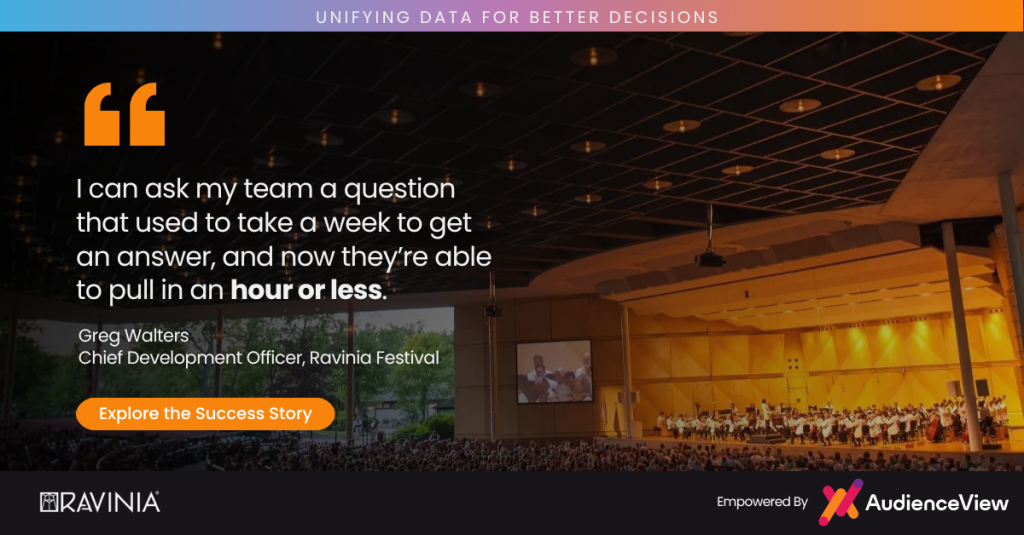
As one executive at Ravinia Festival described after moving to a unified platform:
“Having our data consolidated has been a real eye-opener… the difference between data and guesswork.”
Unified systems also accelerate operational decision-making. Ravinia’s team noted that questions that once took days or weeks to answer can now be resolved quickly because ticketing, fundraising, and audience data exist in one place.
These types of insights are increasingly becoming the foundation for modern event strategy.
Why multi-venue operators benefit from centralized systems
For executives and venue operators, the strategic conversation is shifting.
The question is no longer simply:
“Which ticketing system should we use?”
It is increasingly:
“What infrastructure will allow us to understand, grow, and monetize our audience across every touchpoint?”
Organizations that answer this question effectively gain several long-term advantages:
- stronger audience loyalty
- better marketing efficiency
- improved revenue predictability
- greater agility when programming or touring productions
In a sector defined by uncertainty—from economic pressures to changing audience behavior—those capabilities are becoming essential.
The future of event commerce
The next phase of live event growth
Live entertainment has always been driven by creativity, storytelling, and cultural impact. But the infrastructure supporting those experiences is rapidly evolving.
As more venue operators adopt unified ticketing, CRM, and event marketing platforms, the industry is entering a new phase—one where audience intelligence becomes the foundation for sustainable growth.
And for organizations operating multiple venues, markets, or productions, that shift may prove to be one of the most important strategic developments in the future of live events.