Every ticket purchase tells you something.
Who bought. What they chose. When they purchased. Whether they came back. What else they attended. How their relationship with your organization changed over time. Individually, those data points are useful. Connected, they become something much more valuable: Audience intelligence.
But that intelligence depends on having access to the first-party data behind your audience relationships. When ticket and customer data sits outside your organization or remains disconnected across systems, your ability to understand audience behavior, spot patterns and decide what to do next becomes limited.
“It’s worth getting into the weeds. Looking closely at individual purchases gives you the context to notice opportunities, make deeper connections, and better understand your patrons.” — Benjamin Todd Koucherik, General Manager at Chicago Children’s Theatre
Owning your ticket data changes that. It gives you the foundation to move beyond reporting what happened toward understanding why it matters and what you can do about it.
Here are five ways owning your audience data can help you turn everyday ticketing activity into intelligence you can put to work.
1. Build Stronger Audience Relationships
Stronger audience relationships start with understanding the people behind each transaction.
When purchase history, attendance and customer information are connected, teams get a clearer view of how each patron engages with their organization over time.
That history can help teams decide how best to engage different audiences. For frequent ticket buyers, that might mean recommending relevant upcoming events or recognizing an established relationship in communications. For someone who has attended only once, it might mean finding the right opportunity to encourage a return visit.
Instead of treating every transaction as an isolated event, first-party data helps organizations understand the relationship that surrounds it and create engagement that supports retention, loyalty and repeat attendance.
The Play: Turn One-Timers Into Regulars
That return visit can’t be taken for granted. Only about 30% of ticket buyers consistently return to the same venue or organizer. Understanding who comes back, who doesn’t and what distinguishes those audiences can help organizations identify opportunities to strengthen retention.
Create a segment of patrons who attended for the first time within the past six months but haven’t purchased again. Look at what brought them in, then use those insights to identify relevant upcoming experiences that could give them a reason to return.
AudienceView brings purchase, attendance and customer history together in connected customer profiles, helping teams identify different audience groups and understand how individual relationships develop over time.
The goal isn’t simply another campaign. It’s using what you know about that first interaction to make the next one more relevant.
Read how the Falany Performing Arts Center uses audience insights to foster stronger patron relationships.
2. Create More Relevant Audience Experiences
Knowing who your audiences are is useful. Understanding what they respond to is where that knowledge becomes actionable.
Ticket purchases and attendance can reveal patterns in audience behavior, including when people purchase, what they attend, how frequently they return and which experiences tend to bring them back.
Those patterns can help teams create meaningful audience segments and more relevant engagement. Connecting marketing activity with ticket sales adds another layer of intelligence by showing which campaigns are driving response and revenue. Qualitative feedback gathered through checkout questions can provide additional context about audience preferences and motivations.
Those insights can also inform decisions beyond marketing.
Attendance patterns might point to demand for particular dates or times. Strong response to certain artists, genres or event types can provide useful context for future programming. Patterns across audience segments can reveal opportunities to deepen relationships with existing patrons or reach audiences with similar interests.
The Play: Let Behavior Lead the Message
Relevance matters to audiences. 81% of ticket buyers say they want to hear when tickets go on sale for events they care about. First-party behavioral data can help organizations understand what “events they care about” actually means for different audience segments and make those communications more relevant.
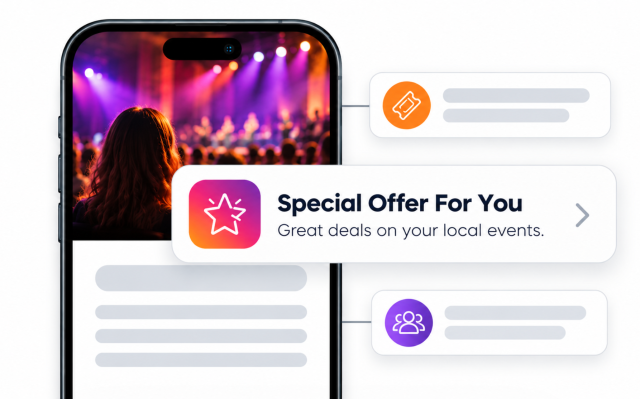
Identify patrons who repeatedly purchase tickets for a particular genre, artist type, series or event category. Then look beyond the individual event to understand what those audiences have in common.
Those patterns can inform event recommendations, campaign segmentation and even future programming decisions.
Connected AudienceView ticketing and customer data can be used to build targeted audience segments based on purchase and engagement history. AV Digital Marketing can extend those insights into campaigns, helping teams reach specific audiences and connect marketing activity back to ticket sales and revenue.
When teams understand not just what sold, but who responded, audience behavior becomes a source of intelligence for what to do next.
3. Protect the Audience Relationship
Owning first-party data also gives organizations greater control over one of their most valuable assets: the relationship with their audience.
When patrons purchase tickets directly from your organization, their activity contributes to an audience history you can continue to learn from. That visibility becomes increasingly valuable over time as purchase, attendance and engagement patterns build a more complete picture of the relationship.
Maintaining control of that data also carries responsibility. AudienceView’s security protocols help safeguard sensitive information and transactions, supporting the trust audiences place in organizations when sharing their information.
Protecting that first-party relationship means protecting both sides of the equation: the information audiences entrust to you and your organization’s ability to use that information responsibly to serve them better.
4. Make Smarter Decisions With Audience Intelligence
Audience data becomes more valuable when teams can turn it into intelligence they can use.
Sales performance is one piece of that picture. Attendance, purchase history, donations and customer activity provide additional context that can help teams understand not only how an event is performing, but what may be happening across their audience.
The opportunity isn’t simply to have more reports. It’s to use those signals to make better decisions.
If ticket sales are particularly strong for a certain event or genre, teams can consider what that means for marketing investment, programming or resource allocation. If an event is pacing behind comparable performances, teams can identify that sooner and determine where action may be needed.
The Play: Follow the Demand Signals
Compare sales pace across similar events, genres or series. If one event is significantly outperforming its typical sales curve, look at what might be driving that demand and consider what the signal means for marketing investment, inventory, programming or future event strategy.
AudienceView’s Analytics Dashboard provides real-time visibility into sales and event performance, while reporting lets teams dig deeper into ticketing and customer data. Together with attendance, purchase and donation history, those insights can help teams put performance into context and identify where action may be needed.
The dashboard tells you what’s happening. Audience intelligence helps you decide what to do about it.
5. Build a Foundation for Sustainable Growth
One event can tell you what happened. Audience history can tell you where you’re heading.
When you own your ticket and customer data, you can understand how audience behavior changes over time rather than evaluating every event or transaction in isolation.
Patterns in attendance, purchasing and engagement can help teams understand where audiences are growing, where retention may be declining and which experiences continue to resonate.
That context creates a stronger foundation for long-term decisions about programming, marketing and where to invest resources as audience needs change.
The Play: Look Beyond the Headcount
Instead of looking only at total attendance year over year, examine the audiences behind that number.
How much attendance is coming from first-time patrons? How many return for another event? Which audience segments are becoming more engaged? Where are previously active patrons beginning to disappear?
Because ticketing and customer history remain connected over time, AudienceView gives organizations a first-party record they can use to analyze audience behavior across events and seasons rather than relying on individual transactions alone.
A growing audience isn’t just about getting more people through the door. Understanding who you’re retaining, who you’re losing and where new relationships are forming provides a clearer picture of sustainable audience growth.
From Audience Data to Audience Intelligence
Owning your ticket data is an important first step. But ownership alone doesn’t create value.
The real opportunity is what happens next.
When ticketing, attendance, customer and engagement data can be connected, organizations can start asking better questions:
Who is coming back? Who isn’t? What experiences create loyalty? Where is demand growing? Which audiences have the greatest opportunity for deeper engagement?
Those answers turn everyday audience activity into intelligence teams can use across marketing, programming, fundraising and long-term planning.
Because the goal isn’t simply to collect more audience data. It’s to know your audience well enough to make better decisions about what comes next.