Building stronger audience relationships starts with understanding who attends your events. Ticketing data can tell you who made a purchase, what they bought and how often they’ve purchased before. But it doesn’t necessarily tell you who attended.
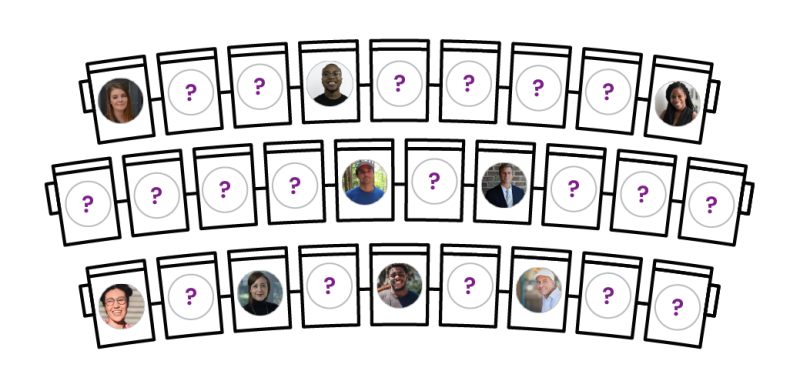
For example, imagine someone purchasing four tickets to a performance. Your organization knows the buyer, but may know little about the three other people attending. The purchaser might not even be going to the event.
That distinction matters. As a result, a first-time visitor attending with a regular ticket buyer may never be recognized as a new audience member. Someone buying tickets for friends may have entirely different interests from the people accompanying them. And purchase history alone may not reveal how frequently individuals attend or which experiences bring them back.
Research from Indigo’s Tomorrow’s Audience report explores this distinction between first-time bookers and first-time attendees, highlighting why purchase history alone may not tell the full audience story.
Creating opportunities to connect with individual attendees can help organizations build a more complete picture of who they’re reaching, improve communication and develop relationships that continue after the event.
Why Direct Attendee Connections Matter
Establishing direct connections gives organizations more opportunities to communicate with attendees individually, understand their interests and support ongoing engagement.
These connections can help organizations:
Build stronger audience relationships. Identify opportunities to encourage return visits, introduce memberships and subscriptions, and stay connected with attendees beyond a single event.
Improve event communications. Share reminders, parking details, accessibility information and entry instructions directly with attendees, reducing reliance on the ticket purchaser to pass along important information.
Deliver more relevant engagement. Welcome first-time visitors, recommend events based on individual interests and provide information that reflects each attendee’s relationship with the organization.
Practical Ways to Connect With More Attendees
Organizations can create opportunities to establish individual attendee connections throughout the event journey. The right approach depends on the event, the audience and the technology available.
However, the value to the attendee should be clear. Additional steps that complicate purchasing or entry may discourage participation, particularly when the reason for collecting information isn’t obvious.
At the same time, organizations should also distinguish attendee identification from marketing permission. Accepting a ticket or sharing contact details doesn’t automatically constitute consent to promotional messages. Communication preferences and applicable privacy requirements should guide how information is used.
Ways to create those connections include:
- Make ticket sharing convenient. Where supported, ticket transfer or acceptance processes can give recipients direct access to their tickets and help establish individual connections. Attendance records, where available, can then help distinguish ticket recipients from people who actually attended.
- Offer optional attendee information fields. Collect details when they serve a clear purpose, such as preparing for an event or accommodating attendee needs.
- Create opportunities onsite. Digital programs, surveys and optional sign-ups can help attendees engage directly with the organization.
- Invite post-event engagement. Feedback requests and opportunities to hear about future events can give attendees a reason to continue the relationship.
Put Attendee Insight to Work
In addition, individual attendee information can complement existing ticketing, membership and marketing data. Together, these signals can help organizations identify patterns in attendance, understand audience preferences and make more informed decisions about engagement and growth.
Here are four practical ways to put those insights to work:
- Understand audience segments. Identify first-time, frequent and lapsed attendees to better understand how different groups engage with your organization.
- Inform programming decisions. Examine attendance patterns and event preferences to understand which experiences attract different audiences and encourage repeat visits.
- Improve marketing effectiveness. Use audience interests and engagement history to inform campaign targeting, then evaluate how those communications contribute to ticket sales and audience engagement.
- Track audience retention. Monitor repeat attendance and changes in visit frequency to evaluate how relationships develop over time and identify opportunities for improvement.
Build Relationships Beyond the Ticket Purchase
Every event creates opportunities to learn more about the people who attend. Over time, making those connections easier, and using what you learn to inform future engagement, can help turn individual visits into ongoing audience relationships
AudienceView brings together ticketing, audience intelligence and marketing capabilities to help live event organizations connect information across the audience journey and turn those insights into more relevant engagement.
Explore how AudienceView can help your organization better understand and engage its audiences.