Increasing event revenue isn’t only about selling more tickets. It’s about helping audiences discover your events, making it easier for them to buy, increasing the value of each relationship, and giving attendees a reason to return.
That means looking beyond a single transaction. Every stage of the event lifecycle can influence revenue, from building demand before tickets go on sale to turning first-time attendees into repeat buyers, members, and subscribers.
For a deeper look at strategies across each stage, explore The Event Lifecycle Playbook, which connects the event journey with practical opportunities to build and strengthen your audience.
1. Increase Ticket Sales by Reaching the Right Audiences
Selling more tickets starts with understanding who is most likely to buy and what will motivate them to act. Broad campaigns can generate awareness, but more relevant outreach can help organizations focus their marketing efforts on audiences already showing signs of interest.
Start with the audience signals you already have. Past purchases, event preferences, email engagement, membership history, and other behavioral data can help you identify meaningful audience segments.
From there, you can:
- Segment audiences based on previous purchases, interests, or engagement.
- Recommend events that align with what audiences have shown interest in before.
- Adjust messaging based on where someone is in their relationship with your organization.
- Re-engage lapsed attendees with relevant events rather than sending the same promotion to your entire database.
- Use email and other channels strategically to keep opportunities top of mind.
The goal isn’t simply to send more messages. It’s to reach the right audiences with communications that reflect their interests and behavior.
That approach can have a measurable impact. One targeted email campaign from deCoste Performing Arts Centre generated nearly $11,000 in ticket revenue, while other campaigns consistently generated between $1,000 and $3,000 in ticket sales.
AudienceView Professional brings ticketing and customer data together to help organizations understand audience behavior and create more targeted engagement. Integrations with marketing tools such as Mailchimp and Constant Contact can help teams put those insights into action.
2. Increase Revenue From Each Purchase
Ticket volume is only one part of event revenue. Once someone has decided to attend, the purchase experience creates additional opportunities to generate value without adding unnecessary friction for the buyer.
Consider what naturally complements the experience you’re already offering. Depending on the event and audience, that could include:
- Merchandise
- Ticket insurance
- Donations
- Memberships
- Packages
- Other event-related add-ons
The key is relevance. Additional options should make sense within the purchase journey rather than feeling like barriers between the buyer and their ticket.
It’s also important to look at the purchase experience itself. A clear, intuitive path to purchase can help audiences move from interest to attendance with confidence. Transparent information, convenient ticket access, and a straightforward checkout all contribute to the overall experience.
AudienceView Professional helps organizations manage tickets and additional revenue opportunities within a connected purchase experience.
3. Grow Packages, Memberships, and Subscriptions
Revenue growth doesn’t have to depend entirely on individual event purchases. Packages, memberships, and subscriptions can give audiences more ways to engage while creating opportunities for longer-term and more predictable revenue.
The right model will depend on your organization and your audience. Some buyers may prefer the consistency of a fixed subscription. Others may respond better to flexible packages that allow them to choose experiences based on their interests or schedules.
Rather than treating these offerings as one-size-fits-all, consider what your audience values.
Ask:
- Which audiences attend multiple events each year?
- What types of events do they purchase?
- Are there natural combinations or series within your programming?
- Which attendees are already demonstrating deeper engagement?
- Would greater flexibility make a package or subscription more appealing?
These signals can help identify audiences who may be ready for a deeper relationship with your organization.
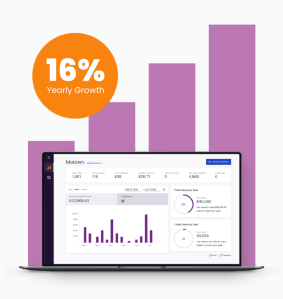
AudienceView Professional helps organizations create and manage packages and subscriptions that give audiences more ways to engage. Clients average 16% revenue growth each year on the platform, with opportunities spanning ticket sales, donations, memberships, packages, and repeat engagement.
4. Turn Attendance Into Long-Term Audience Value
The revenue opportunity doesn’t end when the event does. An attendee who had a positive experience has already demonstrated one of the strongest audience signals available: they chose to spend their time and money with your organization. What happens next can determine whether that person returns.
Post-event engagement is an opportunity to continue the relationship while learning more about what your audience values. Instead of starting from scratch with every new event, use previous interactions to make the next one more relevant.
That could mean:
- Following up while the event experience is still fresh.
- Recommending upcoming events based on previous purchases or interests.
- Creating different journeys for first-time, repeat, and lapsed attendees.
- Introducing relevant memberships, packages, or subscription opportunities.
- Using engagement and purchase behavior to inform future campaigns.
A repeat attendee doesn’t simply represent another ticket sale. Over time, they may become a subscriber, member, donor, advocate, or loyal customer who engages with your organization across multiple events.
Use Audience Insights to Strengthen What Comes Next
Every campaign, purchase, and event generates information that can help you make the next decision.
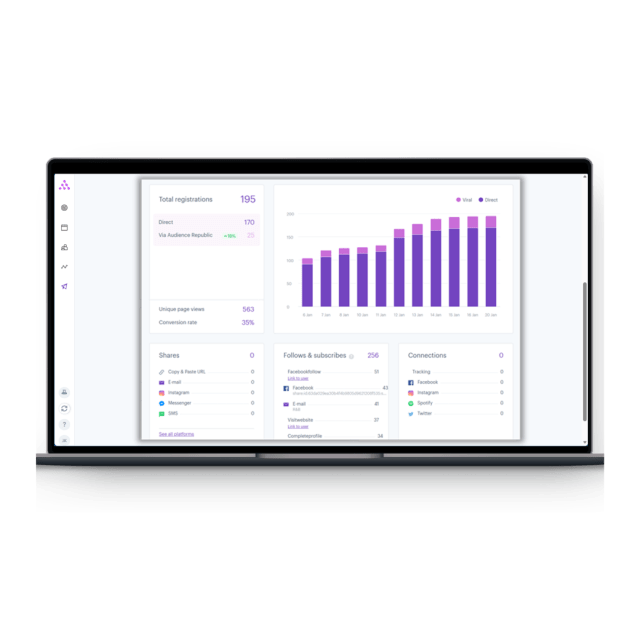
Which campaigns influenced purchases? Which audiences responded? Which events attracted first-time buyers? Who came back? Which attendees went on to purchase a membership or package?
Looking at those signals together can help teams move beyond assumptions and understand what’s driving action, where opportunities may be getting lost, and what to adjust next. Those insights can inform everything from campaigns and programming to offers and future engagement.
AudienceView connects ticketing, marketing, payments, operations, and audience intelligence so organizations can better understand their audiences and create more connected experiences.
Build Revenue Across the Event Lifecycle
Sustainable event revenue isn’t driven by one campaign, one feature, or even one sold-out event. It comes from understanding how each audience interaction contributes to the next.
Build demand before tickets go on sale. Make the path to purchase simple. Give audiences reasons to stay engaged. Learn from their behavior and use those insights to make the next interaction stronger. Over time, individual transactions can become lasting audience relationships that support more sustainable revenue growth.
Ready to look at the entire journey? Download The Event Lifecycle Playbook for practical strategies to build demand, drive attendance, and strengthen audience relationships across every stage of the event lifecycle.