Audience intelligence for live events starts with data that performing arts and other live event organizations already collect through ticket purchases, attendance, donations and ongoing engagement. The challenge is turning that data into decisions teams can use.
The right systems can connect those signals and give teams a clearer view of who is engaging and how they behave. What gets people to buy? What brings them back? Where could expanding your reach create new demand?
Using audience intelligence and data can help organizations answer those questions and make more informed decisions. Those insights can guide where to focus efforts across marketing, distribution, audience development and operations.
In this blog, we’ll explore five ways to put audience intelligence to work and turn what you know about your audience into smarter decisions.
Understand Your Audience
Start by looking more closely at who is engaging with your organization and how they behave. Understanding your audience can help identify opportunities to increase participation and determine which audiences or behaviors deserve greater attention.

Ticket sales and attendance provide a starting point. When do people purchase? Which events do they attend? Do they come back? Ticket type, purchase history, attendance and donation activity can provide additional context about how customers engage with an organization.
Bringing that information together makes those signals easier to understand and act on. Across AudienceView Professional and Unlimited, a more unified patron profile can bring together ticket purchases, attendance, donations, memberships, communications and engagement history, giving teams a clearer view of how audiences interact with their organization over time. For Professional organizations, ticketing and donation data can also flow into customer profiles in AV Digital Marketing , helping teams turn that understanding into more relevant engagement.
That visibility can help teams see where audiences are growing or engagement may be declining, identify programming that is attracting new patrons and determine where to focus audience development efforts.
Metrics to consider: Ticket sales, attendance, purchase frequency, donation activity and new vs. returning attendees.
Increase Your Marketing Effectiveness
Knowing more about your audience is most valuable when you can put that understanding to work.
Purchase history, attendance, giving behavior and other relevant information can help marketers identify groups with shared interests or behaviors, creating opportunities for greater personalization and more targeted campaigns.
Connecting marketing activity with ticket sales adds another layer of insight. AudienceView and AV Digital Marketing bring audience, ticketing and marketing information together, making it possible to see which audiences are responding and which campaigns are contributing to ticket revenue.
Teams can use those insights to build on campaigns that are working, adjust their approach when they aren’t and apply what they learn to future outreach. Instead of looking at engagement alone, marketers can connect campaign performance more closely to the audience and revenue outcomes that matter.
Metrics to consider: Campaign engagement, conversion, attributed ticket revenue and audience segment performance.
Expand Discovery and Distribution
Understanding where demand exists is only part of an effective ticket distribution strategy. Organizations also need to make it easier for potential attendees to discover the right events and purchase through the channels that make sense for them.
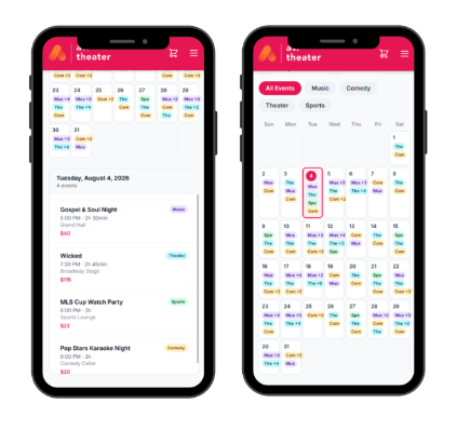
For organizations managing large or complex event calendars, discovery itself can become a barrier. AudienceView research found that 16% of ticket buyers would attend more events if relevant options were easier to discover. AudienceView is expanding API-powered flexibility to support custom calendar views, filters and direct event selection, helping customers find the right event faster.
Ticket distribution can extend that discovery beyond an organization’s own channels, creating more opportunities to connect available inventory with potential buyers. Audience intelligence around demand, sales velocity and inventory can help teams determine when broader distribution could create additional reach.
Through AudienceView’s integration with StubHub, organizations can extend primary ticket inventory to an additional marketplace, creating another path for potential attendees to discover and purchase tickets. AudienceView’s partnership with Menta adds another dimension by enabling organizations to offer official resale within their own environment, with organizations controlling eligibility, price limits and when resale opens and closes.
Together, these capabilities support a broader approach to ticket distribution. Primary distribution can extend reach, while official resale provides a more controlled way to support the ticket lifecycle after the initial purchase. Rather than treating these channels as disconnected, organizations can incorporate them into a broader event commerce strategy.
Keep the purchase experience connected to your brand. Expanding discovery and distribution doesn’t have to mean losing control of the customer experience. With 56% of ticket buyers preferring to purchase directly from the venue or organization, maintaining a consistent branded path to purchase matters. AudienceView has introduced customized URL paths and browser tabs that carry an organization’s name and branding through the browsing experience, helping create a more seamless path from event discovery to checkout.
Metrics to consider: Sales velocity, inventory, channel performance, new audience acquisition and ticket revenue.
Encourage Repeat Attendance
Audience intelligence can also help organizations understand what encourages people to return.
Looking at behavior over time can show whether first-time buyers come back, which programming encourages another visit and where previously active patrons may be engaging less often. Looking across events, seasons and series can add another layer of context, helping teams identify which experiences are driving repeat attendance and which audiences are more likely to return.
AudienceView makes it easier to analyze these patterns across the audience lifecycle. Patron profiles can bring purchase, attendance and engagement history together, giving teams more context to support retention strategies, loyalty programs and membership management.
Teams can use those insights to focus retention efforts and build on the experiences that keep patrons engaged. Rather than treating every event as a new interaction, organizations can use what they already know about their audiences to create more relevant reasons to come back.
Metrics to consider: Repeat attendance, retention rate, membership or subscription renewal, purchase frequency and customer satisfaction.
Make Smarter Revenue and Operational Decisions
Audience intelligence isn’t only useful for understanding who attends. It can provide context for broader revenue and operational decisions.
Purchase timing can help teams understand demand and inform pricing or promotional timing. Attendance and revenue can show how different events are performing. For organizations managing seasons, series or longer event runs, looking across related events can reveal patterns that may be harder to see when each performance is evaluated independently.
AudienceView allows related events such as seasons or series to be grouped together, giving teams visibility into performance across ticket sales, orders, insights and messaging.
Audience behavior can also reveal opportunities beyond ticket revenue. For organizations that rely on contributed income, understanding the relationship between ticket purchases, attendance and giving can help identify where donation opportunities may be relevant.
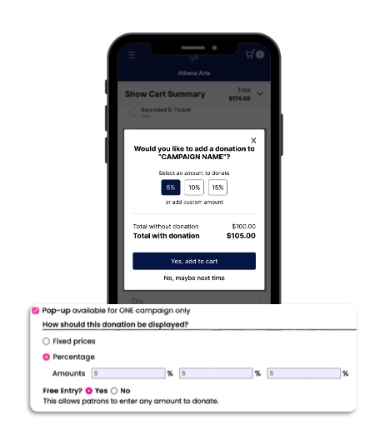
AudienceView makes giving more flexible within the purchase experience with customizable donation amounts at checkout. Organizations can configure suggested giving options using fixed or percentage-based amounts, while also giving buyers the flexibility to enter their own donation amount. With donors willing to give, on average, 40% to 50% of the ticket price, making giving more flexible and accessible during the purchase journey can create another opportunity to grow contributed revenue.
The goal isn’t to track every available metric. It’s to focus on the information relevant to the decision at hand and use it to determine what action to take next.
Metrics to consider: Revenue per attendee, event or series performance, donation revenue, average donation and operational costs.
Put Audience Intelligence to Work
Organizations are already collecting valuable information through everyday audience interactions. The opportunity is to connect that information so it becomes something more useful than another dashboard or report.
Audience intelligence can help teams determine which audiences to engage, which marketing efforts to invest in, where additional discovery or distribution could create demand, what encourages customers to return and where new revenue opportunities may exist.
Technology can make those answers easier to uncover and act on. AudienceView Unlimited already gives organizations ways to analyze ticketing, finance, fundraising, marketing and customer data through reporting and business intelligence tools. Looking ahead, AudienceView is exploring an even more conversational approach to accessing those insights, allowing users to ask questions about their data in plain language and get answers without having to build a report or query.
Across ticketing, marketing, discovery, ticket distribution, resale and the purchase experience, AudienceView’s expanding ecosystem gives organizations more ways to connect what they know about their audiences with how they engage them.
The result is a more connected approach to event commerce where data doesn’t simply explain what happened. It helps organizations decide what to do next.
Ready to put your audience intelligence to work?
Explore how AudienceView can help your organization better understand audience behavior, expand reach and turn insights into action.