Ticket buyer behavior is shaped by more than age. How people discover events, what they choose to attend and how they purchase tickets all offer clues about their interests, needs and preferences. As Pew Research Center explains, generational differences need to be considered alongside age and other factors.
For live-event organizations, combining these behavioral insights with generational data can help build a more complete picture of their audiences and guide more informed marketing decisions.
Here are three ways to use that understanding to make communications more relevant, purchasing experiences more accessible and engagement more meaningful across generations.
Build a More Complete Picture Through Audience Segmentation
Start by examining how different audience groups discover events, purchase tickets and engage with your organization. Generational data can help identify patterns worth investigating, particularly when combined with behavioral information. Do discovery channels differ by age? Are certain audiences more likely to purchase packages or subscriptions? Does attendance frequency vary across demographic groups?
Useful audience information includes:
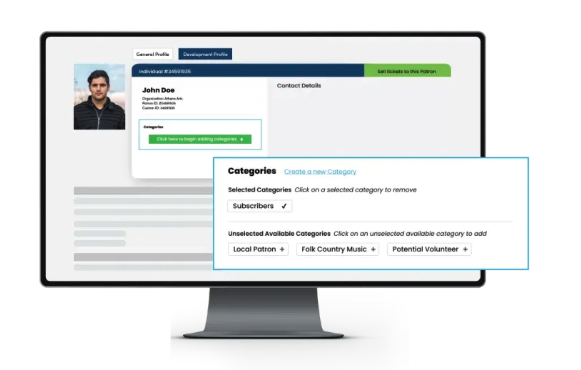
- Event interests: The types of performances or experiences customers attend.
- Purchase history: Previous ticket purchases, packages, subscriptions and booking patterns.
- Attendance frequency: Whether someone is a first-time visitor, occasional attendee or frequent customer.
- Engagement and preferences: How customers respond to communications and any preferences they have shared.
For example, a 25-year-old and a 65-year-old who regularly attend classical music performances may have more in common as customers than two people of the same generation with different interests.
Combining demographic and behavioral information helps organizations identify meaningful audience segments. Connected ticketing and customer information can support this analysis and guide more informed marketing decisions.
Use Audience Insights to Make Communications More Relevant
Audience insights can help organizations decide what to communicate, when to share it and which channels are most effective for reaching different customer groups.
Rather than assuming younger audiences prefer social media and older customers prefer email, teams can examine referral sources, campaign results and stated communication preferences to identify which channels work for different segments.
Messaging should also reflect a customer’s relationship with the venue. For example:
- First-time attendees may benefit from information about parking, accessibility and what to expect on arrival.
- Frequent attendees may appreciate recommendations based on previous purchases or interests.
- Customers interested in family programming may value information about suitable performances, schedules and group ticket options.
These approaches can be useful regardless of generation. The key is to respond to demonstrated interests and needs in addition to demographics.
Teams can test different messages, formats and offers within relevant segments to learn what works. While clicks and email engagement provide useful indicators, completed purchases, attendance and repeat engagement offer a clearer measure of results.
Create Purchase Experiences That Work Across Generations
Even when an event captures someone’s interest, purchasing barriers can influence whether they attend. Clear information, convenient booking options and access to assistance matter across generations.
Practical circumstances may be more relevant than age. Someone coordinating a group booking may need different options than a customer attending alone. Others may be comparing prices, arranging transportation or looking for accessible seating.
Organizations can address these needs by focusing on:
- Clear event information: Make dates, times, seating and accessibility details easy to find.
- Transparent pricing: Explain ticket costs, fees and available packages before checkout.
- Straightforward purchasing: Provide readable, mobile-friendly pages and a simple checkout process.
- Accessible assistance: Make it easy to get help with questions or bookings.
Audience and transaction data can help teams identify where customers encounter difficulties. Reviewing purchase completion patterns, customer questions and feedback can reveal opportunities to improve the experience.
Where differences emerge between audience segments, organizations can investigate the causes and test improvements rather than assume that age determines purchasing preferences.
Turn Audience Understanding Into Stronger Engagement
By combining demographic and behavioral insights, live-event organizations can make better decisions about who to reach, what to communicate and how to make attending easier. Testing those decisions against purchasing and attendance patterns helps teams refine their approach over time.
AudienceView helps live-event organizations bring ticketing and customer information together, with audience segmentation and reporting capabilities that support more informed marketing and engagement strategies.
Explore AudienceView’s Ticket Buyer Report: Inside the Ticket-Buying Journey for insights into how audiences discover events, make purchasing decisions and decide whether to attend again.