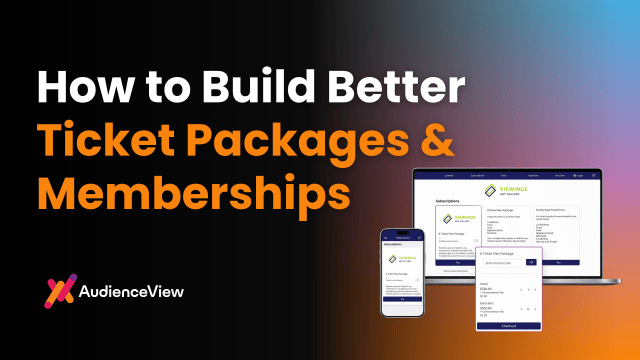
Ticket packages give audiences more ways to enjoy your events while planning around their interests, schedules and budgets. Paired with clearly defined membership options, they can help your organization build ongoing relationships and give people reasons to return.
The opportunity is to create an offer people understand, value and use. Here are five ways to make packages, subscriptions and memberships work better for your audiences and your team.
Choose the Format That Fits the Need
Packages, subscriptions and memberships can serve different purposes. Before building an offer, decide what you want it to help audiences do.
| Format | What it typically offers | Audience need it can address |
|---|---|---|
| Fixed subscription | A defined series of performances, often with consistent seats or dates | “I want a regular place in the season.” |
| Flexible ticket package | A set number of tickets or performances, with choices governed by the package rules | “I want to attend more, but I need options.” |
| Membership | Benefits over a defined period, which may include priority booking, discounts or special access | “I want an ongoing connection and benefits I’ll use.” |
The names and terms vary between organizations, so explain exactly what your version includes. A membership doesn’t necessarily include admission, and a flex package doesn’t necessarily allow every performance or seating section.
Try this: Write one sentence explaining who the offer is for and what it helps them do. Use that sentence to guide the package design.
Build Value Around Audience Priorities
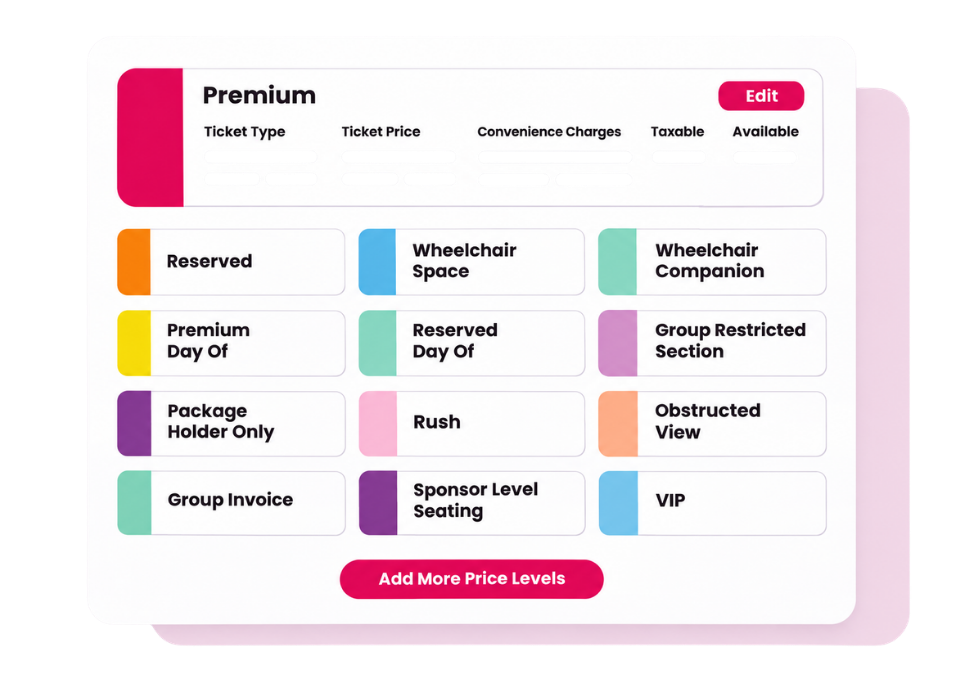
A discount can be useful, but it doesn’t have to be the only reason to commit. Depending on your program, audiences may value familiar seats, earlier booking, easier exchanges or the ability to choose dates later.
Start with questions your team already hears:
- Do regular attendees want to keep their seats?
- Are buyers interested in several events but uncertain about dates?
- Do patrons want to bring different guests throughout the season?
- Are supporters looking for a closer connection to your organization?
For example, The Cape Playhouse offers both season subscriptions and flex passes. Presenting distinct options gives buyers a way to compare different levels of commitment and flexibility.
AudienceView’s ticket package and subscription tools support customizable flex packs, same-seat renewals and package-holder presales, helping teams structure offers around these different needs.
Try this: Choose two or three meaningful benefits rather than building a long list of extras your team must administer.
Make the Rules Easy to Understand Before Purchase
Flexibility is only useful when buyers understand how it works. Unclear restrictions can turn an appealing offer into extra questions for the box office.
Put essential information next to the offer:
- Total price and applicable fees
- Number of tickets or performances included
- Eligible events and any exclusions
- When and how buyers choose seats or dates
- Booking deadlines and expiration dates
- Exchange rules and availability restrictions
- Renewal terms, including any automatic renewal arrangements
A brief example can help. “Choose three eligible concerts and select your dates when booking” is more useful than simply calling something a flexible package.
Try this: Ask someone outside the ticketing team to explain the offer back to you. Update any wording that leaves them guessing.
Help People Use What They’ve Purchased
The relationship needs attention after checkout, especially when buyers still have dates or performances to select.
Send a clear confirmation explaining what they purchased, how to redeem it and where to get help. Then plan useful follow-up around relevant on-sales, booking deadlines or remaining entitlements.
AudienceView supports packages that let patrons choose eligible events during checkout or later. If your offer allows later selection, make that next step clear in both the purchase journey and follow-up communications.
Memberships also need an explanation of how to access benefits. For instance, The Murphy Theatre’s membership page connects membership with supporting the venue and outlines benefits by tier. That helps communicate both the purpose of joining and what members receive.
Try this: Walk through the experience after purchase. Can someone find their benefits and complete their next booking without calling your team?
Measure Participation Alongside Sales
Selling a package is the beginning of the relationship you’re trying to build. Review whether buyers use it, return and choose to continue.
Useful measures include:
- Sales: How many people purchased each offer?
- Redemption: How many included tickets or benefits were used?
- Attendance: Did buyers attend the performances they booked?
- Renewal: How many eligible buyers continued?
- Service demand: Which questions or problems came up repeatedly?
Review the financial picture, too. Consider the revenue per redeemed ticket, the cost of benefits and the staff time required to manage the offer.
If people buy but don’t redeem, investigate the booking process and reminders. If they attend but don’t renew, ask what would make the next offer more relevant.
Try this: Choose a small set of measures before launch and schedule a review while there’s still time to make improvements.
Give Audiences a Clear Next Invitation
Start with one offer that addresses a recognizable audience need. Make its value clear, explain the terms and help people use what they’ve purchased. What you learn can guide the next invitation and give your team a stronger basis for planning future offers.